
Educational toy brand development
Solution for Educational Toy Brand Owners
Develop a learning toy range around a clear product idea: the interaction, content and presentation your brand wants to offer. YSGO provides factory-direct OEM/ODM discussion across interactive educational toys and hands-on STEM products.
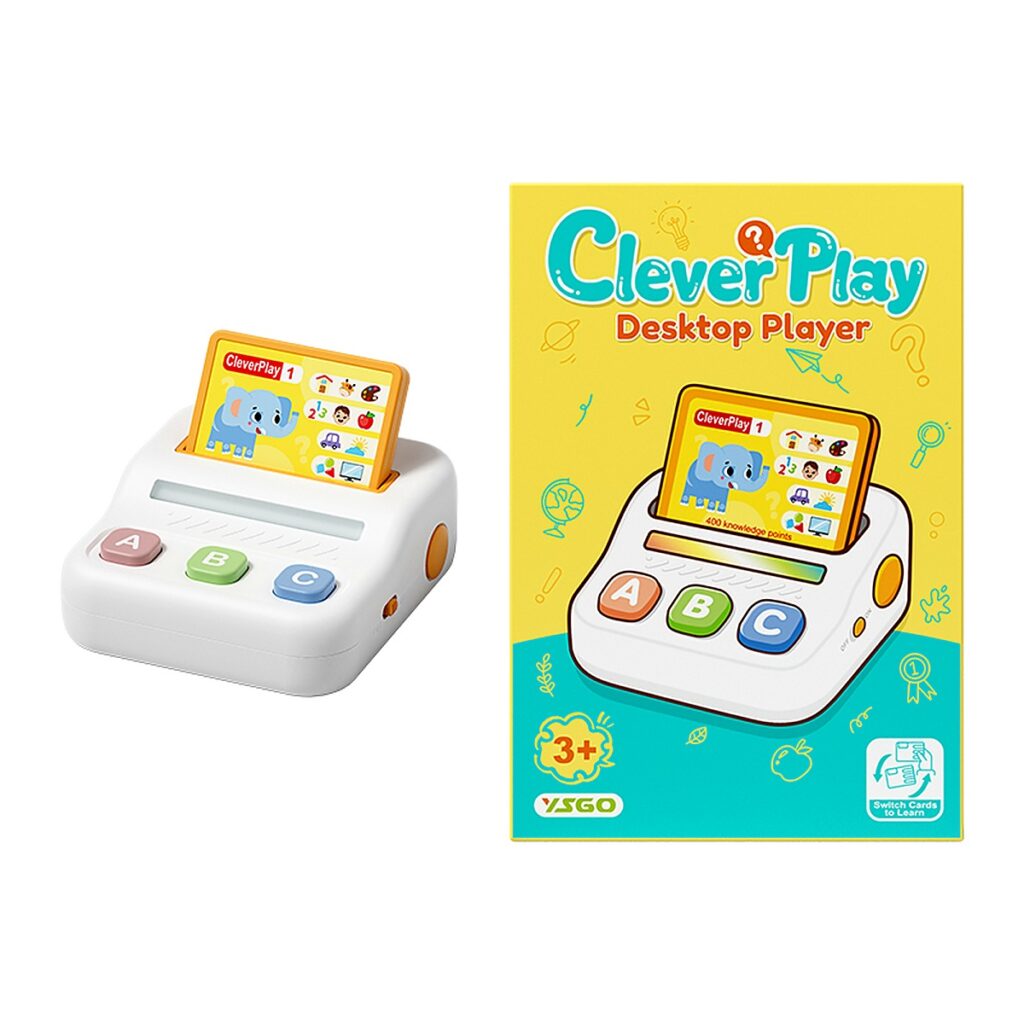
Define the product
Decide what makes the product yours
Choose the product experience first, then identify which changes are essential to your brand.
An existing model or a development project
A suitable existing model can be the starting point for logo, colour or packaging changes. Changes to content, functions or structure need a separate feasibility review against the selected product.
A place in your range
Describe the intended audience, sales channel and gap in your current range. Explain the main play interaction and the packaging message, so product selection and customization serve the same purpose.
Choose a starting point
Product directions for a distinct range
These formats offer different ways to develop a product concept; available changes depend on the model.
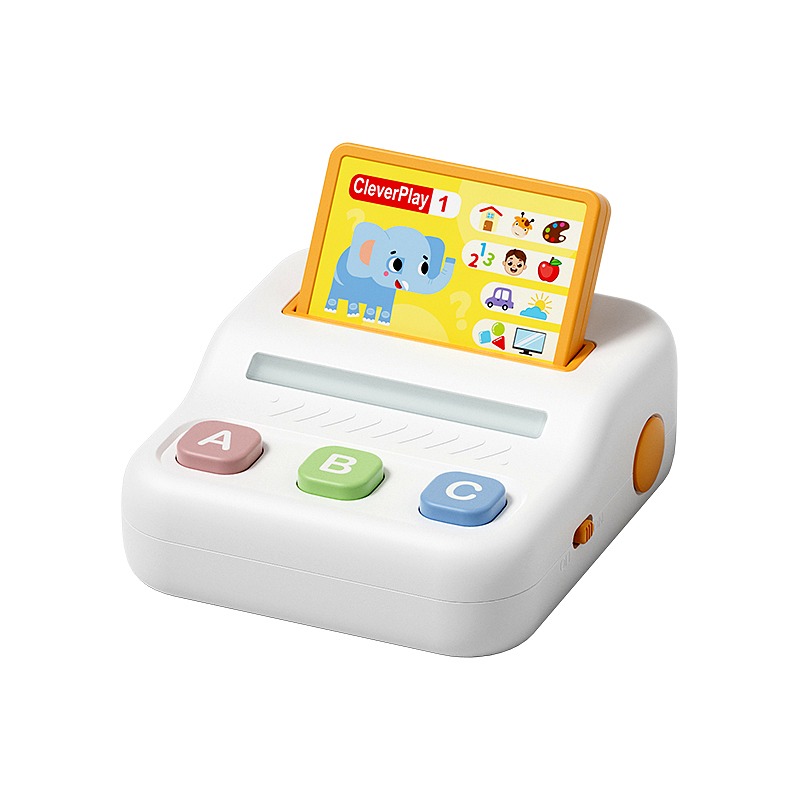
Y-Card Learning Players
Explore this line when topics, questions and audio are central to your concept. Confirm the model's content format before planning artwork or language changes; card and player arrangements vary.
Explore Y-Card formats →Y-Pen Smart Learning Pens
Consider a pen and compatible printed content when point-and-learn interaction fits your range. Review the pen, printed material and audio together when discussing a branded content set.
Explore Y-Pen products →STEM Logic Thinking Training Blocks
Consider assembly and circuit exploration for a range built around hands-on projects. Compare actual set contents and required companion parts before proposing a branded kit combination.
Explore STEM sets →
Prepare and approve
Turn the concept into a clear project brief
Separate the choices you have made from the options you want YSGO to assess.
Share your requirements
Send the target market, reference models, estimated quantity and change list. Add brand artwork, language requirements and packaging direction where available; identify any required functions early.
Review customization scope →Review content and presentation
Check text, pronunciation, answer content and packaging artwork as separate approval items. Review their implementation on the physical sample; approved text alone does not confirm the finished product.
Agree the production reference
Confirm the selected configuration, sample, packaging version and required testing documents in writing. Record unresolved changes before approving the project for production.
Review quality and documentation →
Questions before you start
Can we start with packaging and develop the content later?
Describe both stages in the initial brief. Each stage needs its own model and feasibility confirmation; a packaging project does not establish that later content changes will be supported.
Does customization include an exclusive product?
Exclusivity is a separate discussion requiring written agreement. Logo, packaging or content customization does not automatically include exclusive rights to an existing product.
Discuss your next branded product
Send your product idea, target market and essential changes. Include a reference model if you have one.