
Classroom and institutional purchasing
Solution for Schools, Kindergartens & Educational Institutions
Choose learning toys around what students will do and how teachers will organize the activity. YSGO supports teaching-use buyers selecting products for classrooms, activity rooms and after-school programs, with configuration and quantity decisions based on the intended use.
Plan the activity
Start with the learners and the session
Define a practical activity before choosing a product or deciding how many sets to purchase.
What will learners do?
Describe an observable task: assemble and test a circuit, recall a sequence, match answers or explore a topic. Provide the learners' age and skill range, then review the selected model's instructions and age information.
How will the teacher organize it?
Outline the session length, group arrangement and level of adult support. Consider whether learners work simultaneously or rotate between activities, and allow time for setup, checking parts and putting materials away.
Match the activity
Product directions for different teaching tasks
Use these starting points to select models for a small practical trial.
STEM assembly and circuit exploration
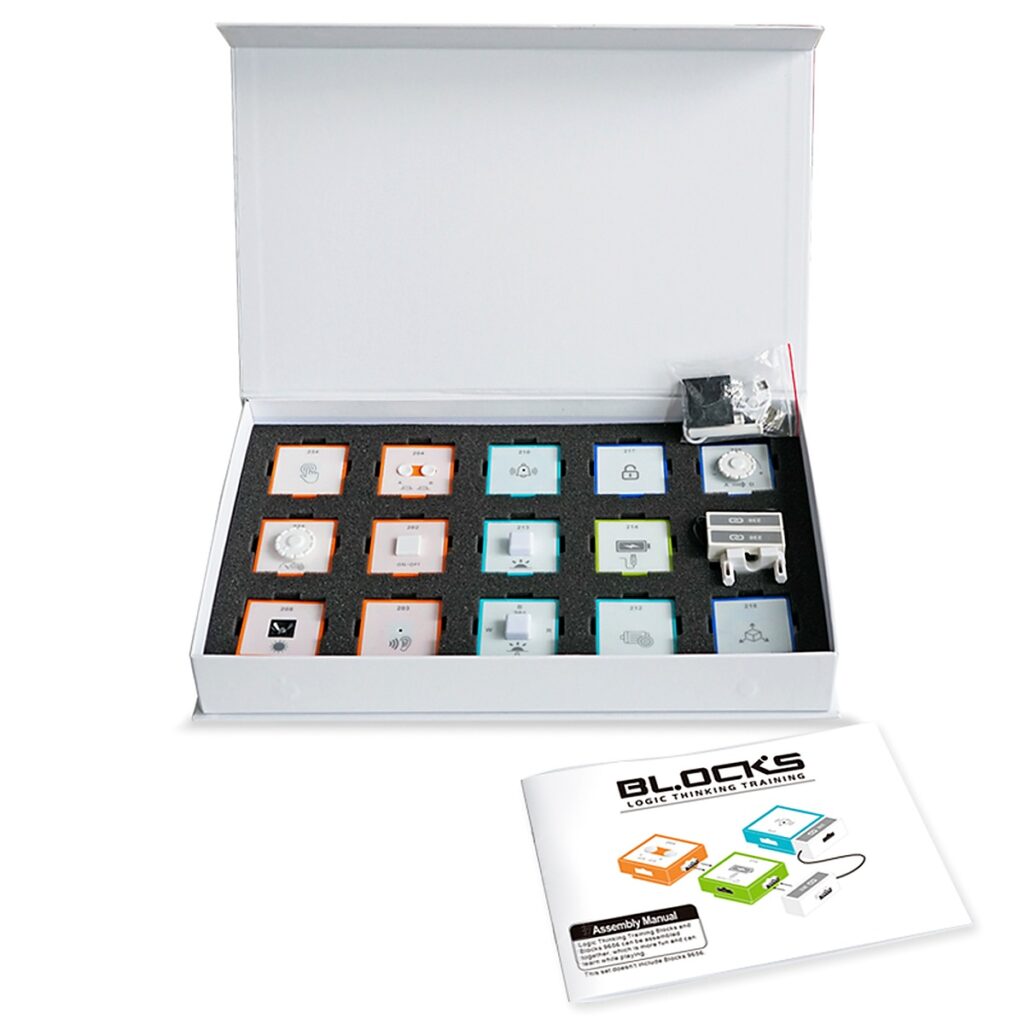
Explore STEM Logic Thinking Training Blocks for building, testing and discussing what changes. Check each set's parts, operating steps and age guidance before deciding whether it fits your learners.
Review STEM activity formats →Memory and challenge activities
Explore Y-Challenge games for sessions built around rules, recall and repeated attempts. Try the actual game mode to assess turn-taking, teacher explanation and whether its pace suits the group.
Review challenge games →Guided point-and-learn activities
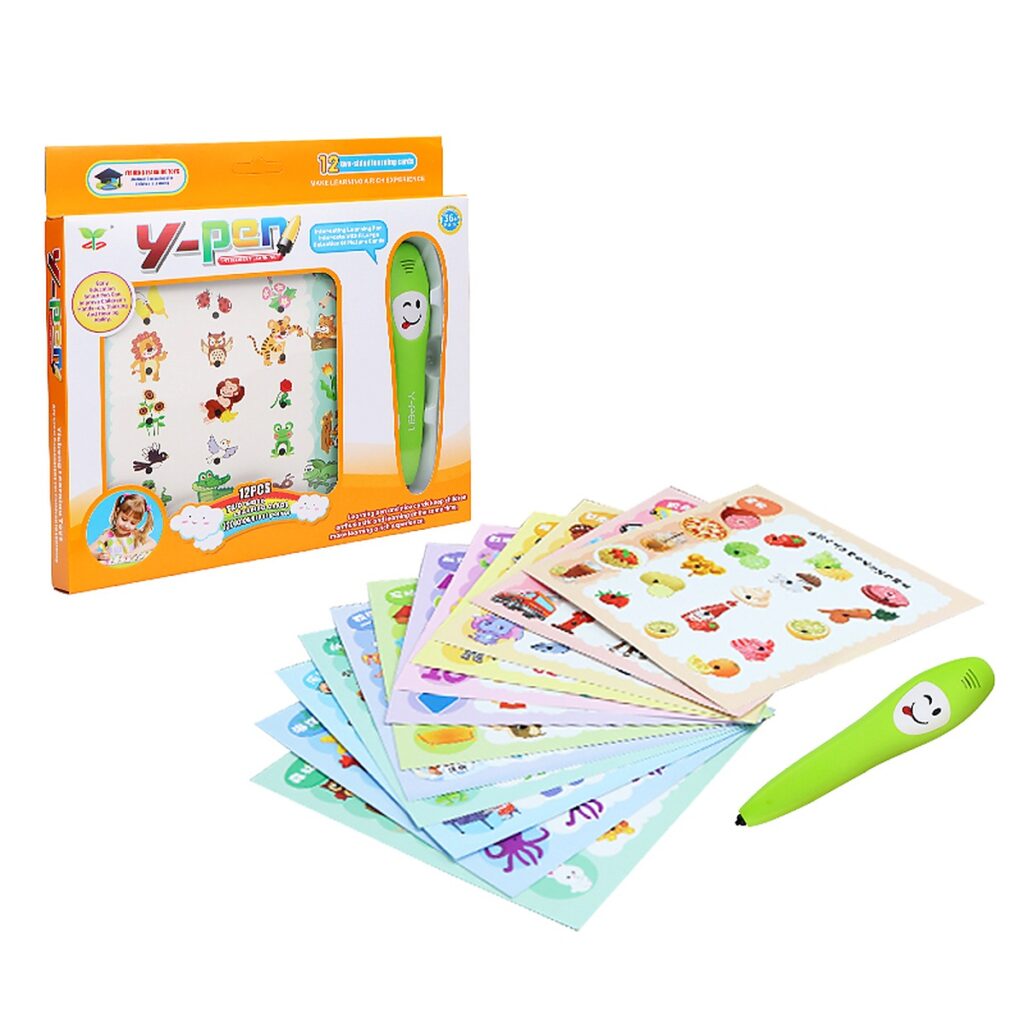
Explore Y-Pen products when learners will use a pen with compatible printed content. Review the topics, instructions and feedback with the teacher who will lead the activity.
Review Y-Pen learning sets →
Trial before scaling
Confirm classroom use with a sample
A teacher-led trial helps you decide the configuration and practical arrangements for a larger purchase.
Share the teaching brief
Include your learner age and skill range, activity goal, participant numbers, group arrangement and session length. Add candidate products, the estimated number of sets and any language needs.
Check a complete activity cycle
Try setup, explanation, play, reset and storage. Note difficult instructions, missing information and parts that need checking between groups. Ask about care instructions and replacement-part availability for the selected model.
Confirm what each set contains
Agree the product version, included materials, power requirements and packaging before purchase. Review any required inspection or documentation scope for your institution and destination.
Review product checks →
Questions before you start
Does every learner need a separate set?
That depends on the activity, group size and rotation plan. Describe how learners will share the materials; confirm the quantity after trying the selected activity with a sample.
Are all STEM sets suitable for kindergarten use?
No. Select by the actual model, its parts, instructions and age guidance, together with the learners' needs and supervision arrangements. The STEM label alone does not establish suitability.
Plan your classroom product selection
Tell us who will use the products, what they will do and how the activity will be organized.