
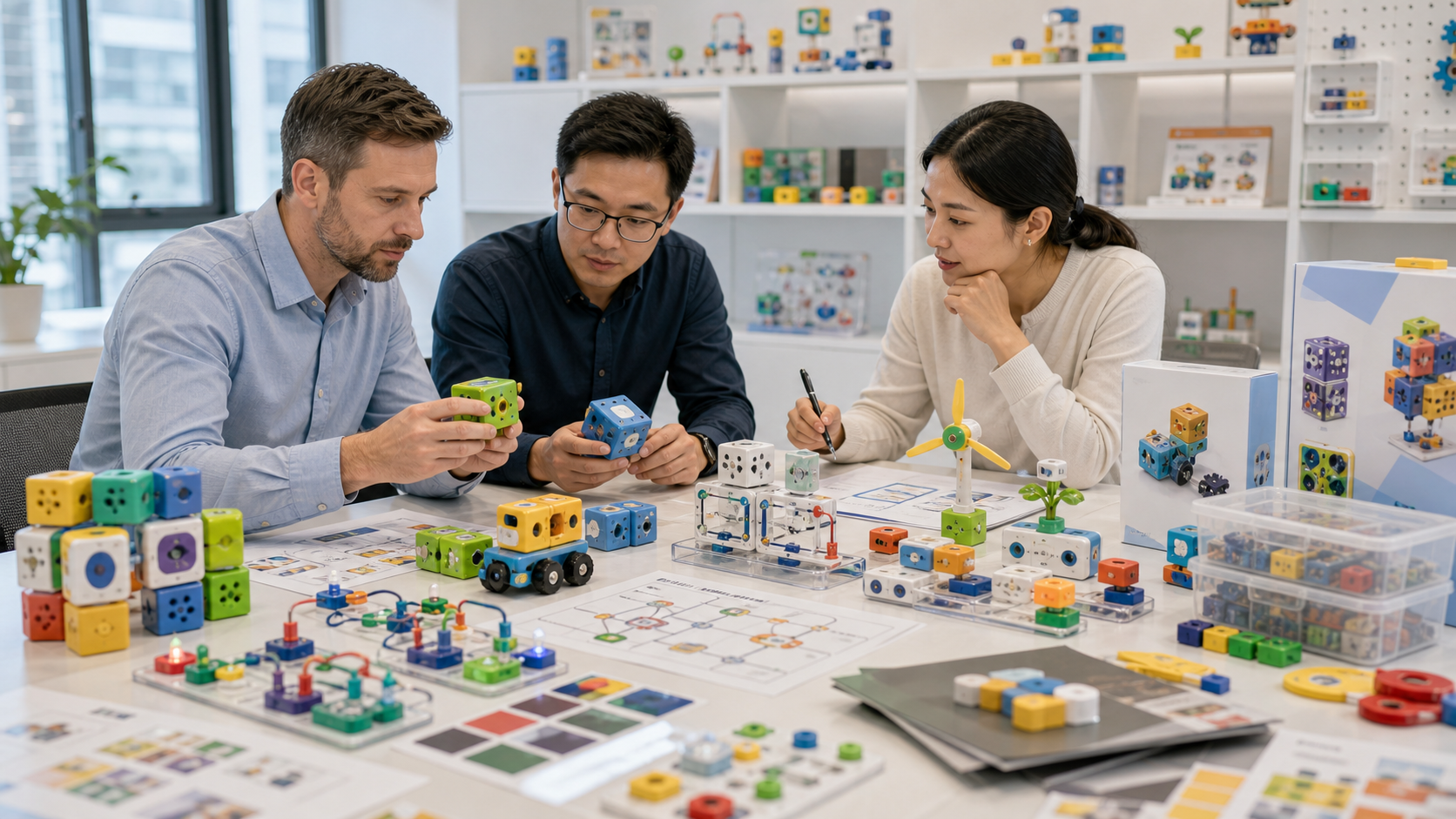
Short answer: there is no single ranking of the top educational toy companies that works for every buyer. Consumer brands sell finished products under their own names, classroom suppliers may pair products with teaching materials, and OEM/ODM manufacturers make products to a buyer’s specifications or offer customizable platforms. The right partner depends on whether you need branded stock, classroom resources or a product line under your own brand.
Before comparing companies, define the job you need them to do. A retailer sourcing established brands, a school choosing activity materials and an educational toy brand developing a private-label product are evaluating different kinds of partners.
Three Types of Educational Toy Companies
| Company type | Typical offer | Best fit for | First question to ask |
|---|---|---|---|
| Consumer toy brands | Finished products sold under the company’s brand | Retailers and distributors seeking established product lines | Can you supply my territory and channel, and on what terms? |
| Classroom and learning solution providers | Learning products that may include activity guides, lessons or educator resources | Schools, learning programs and education buyers | What teaching materials and implementation support come with the product? |
| OEM/ODM manufacturers | Production to buyer specifications or customization of existing product platforms | Brand owners, importers and organizations creating their own range | Which parts of this model can be customized for my project? |
These categories can overlap. A company may sell consumer products and also offer classroom materials. Treat the table as a way to clarify your sourcing need, not as a strict ranking or a claim that every company fits only one category.
Consumer Brands: Established Products for Retail and Distribution
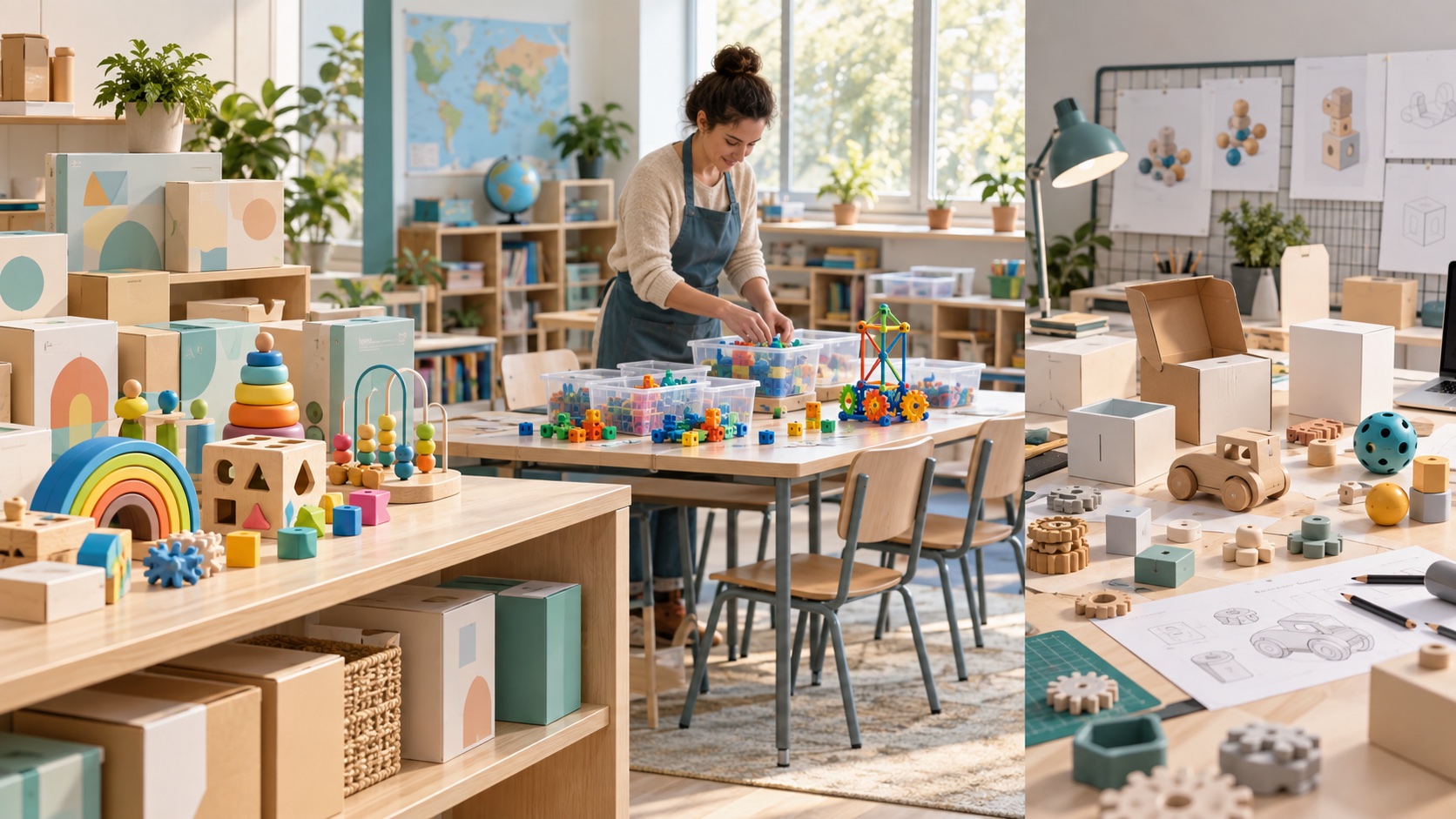
Consumer brands develop products for buyers who want to stock a recognized line rather than create a new one. For example, LeapFrog’s learning-toy range includes early-learning products; [1] VTech offers electronic learning toys; [2] and LEGO Education presents classroom-oriented learning products and resources. [3] These are examples of different product approaches, not a ranked “top three.”
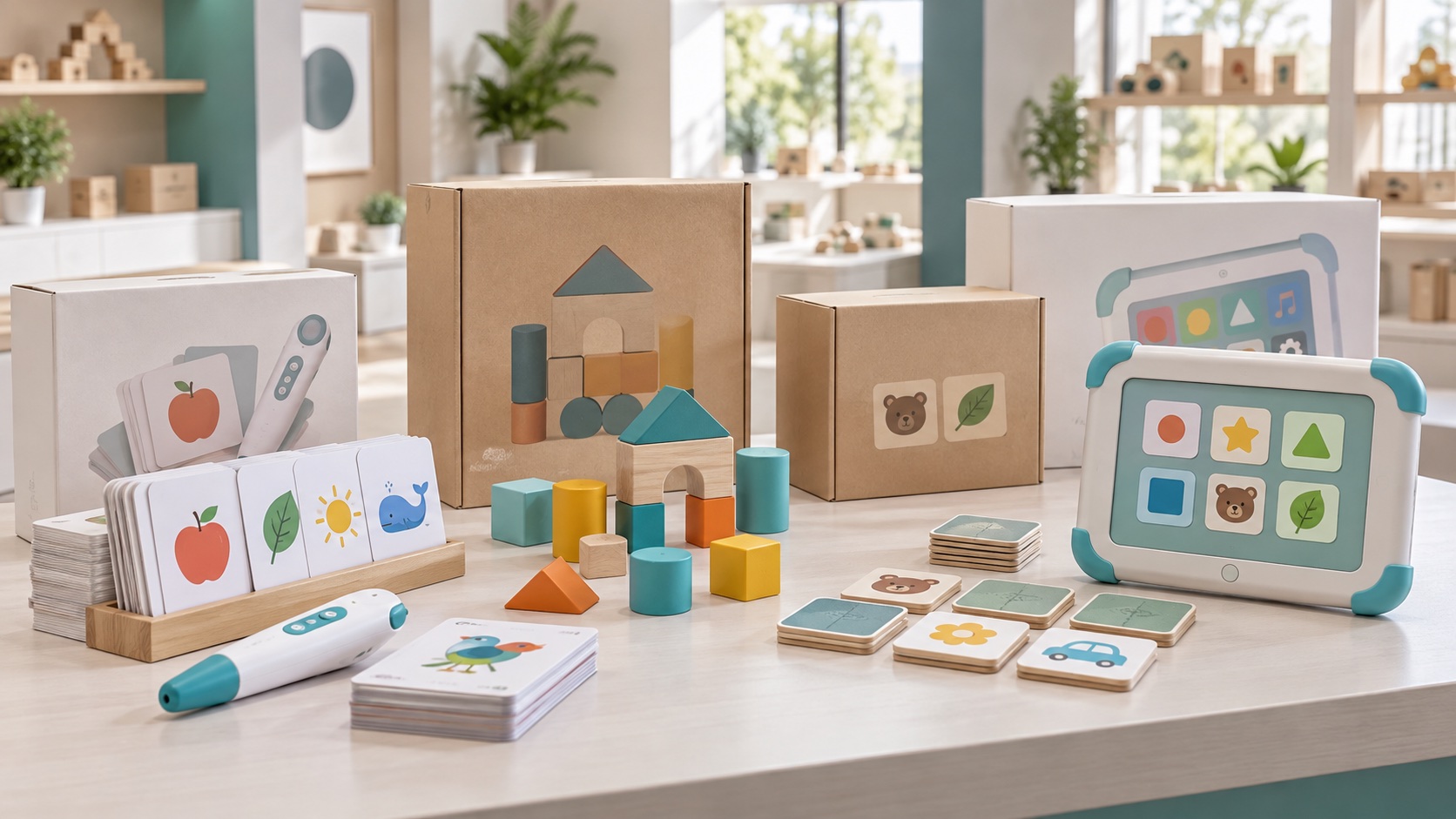
If you are buying for resale, check whether the supplier’s distribution program supports your target country, sales channel and business model. Confirm authorized-seller requirements, territory terms, product availability, packaging, warranty arrangements and the documentation you need before placing an order. These details can differ by market and product.
Established branded products are usually the most direct route when your priority is a ready-made range. If your goal is to build products under your own label, compare that model with OEM/ODM manufacturing instead of assuming a consumer brand will provide private-label production.
Classroom Suppliers: Look Beyond the Product Box
Schools and education programs often need more than a toy or learning device. They may need activity instructions, teacher guidance, replacement parts, group-use planning or materials that fit a particular lesson. Some suppliers make these resources part of the offer. For example, certain Learning Resources STEM sets include activity guides [4], while LEGO Education’s classroom bundles describe teacher-portal resources and lessons. [5]
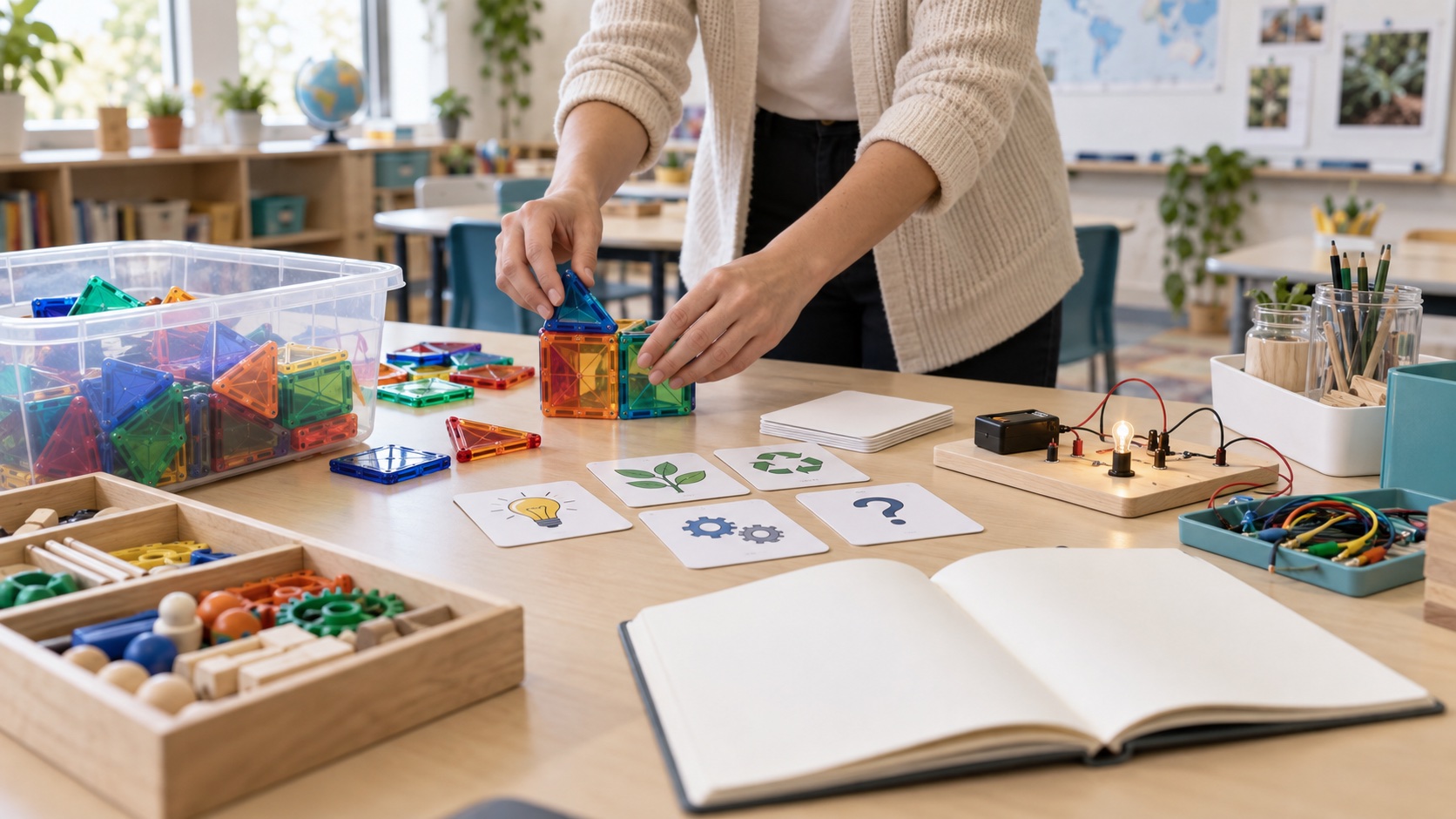
Ask the supplier to show exactly what is included: student materials, teacher instructions, lesson duration, group size, storage, replacement components and any digital access. Then check whether those materials fit your learners, curriculum and classroom routines. A product described as “educational” does not by itself establish that it aligns with your school’s instructional requirements.
OEM/ODM Manufacturers: For Products Under Your Brand
OEM and ODM describe different starting points for production. In an OEM project, the buyer brings specifications or a design for the factory to produce. In an ODM project, the buyer starts from an existing factory product platform and agrees which branding, content, packaging or functions can be adapted. In either case, the specific scope depends on the product and project.
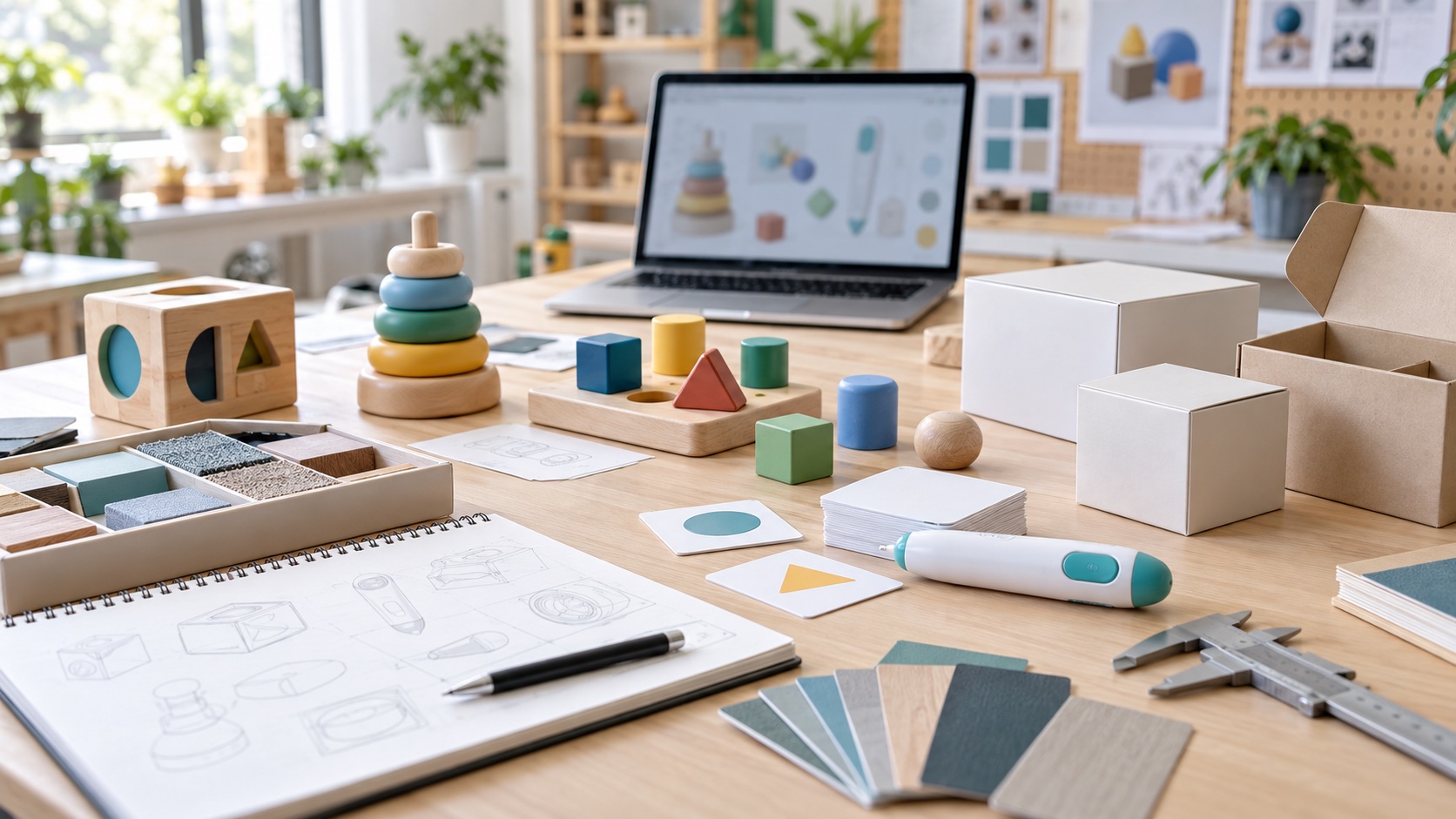
This model can suit educational toy brands, importers, wholesalers, distributors and STEM education providers that need a branded range, localized learning content or a product combination for a sales or teaching channel. A school or course provider may also explore a customized project, but should first define how the products will be used and what supporting materials are required.
YSGO works in this OEM/ODM category across five product lines: STEM Logic Thinking Training Blocks, Y-Card Learning Players, Y-Pen Smart Learning Pens, Y-Challenge Chess & Memory Games, and Y-Phone & Y-Pad Early Learning Toys. Depending on the selected model and project scope, buyers can discuss branding, packaging, language or learning content, colors and product functions. Explore the YSGO product lines and OEM/ODM customization options to see whether the product direction fits your brief.
How to Compare Educational Toy Companies
Use the same questions for each candidate. Record the answer and the evidence you reviewed; this makes comparisons more useful than relying on a company’s headline claims alone.
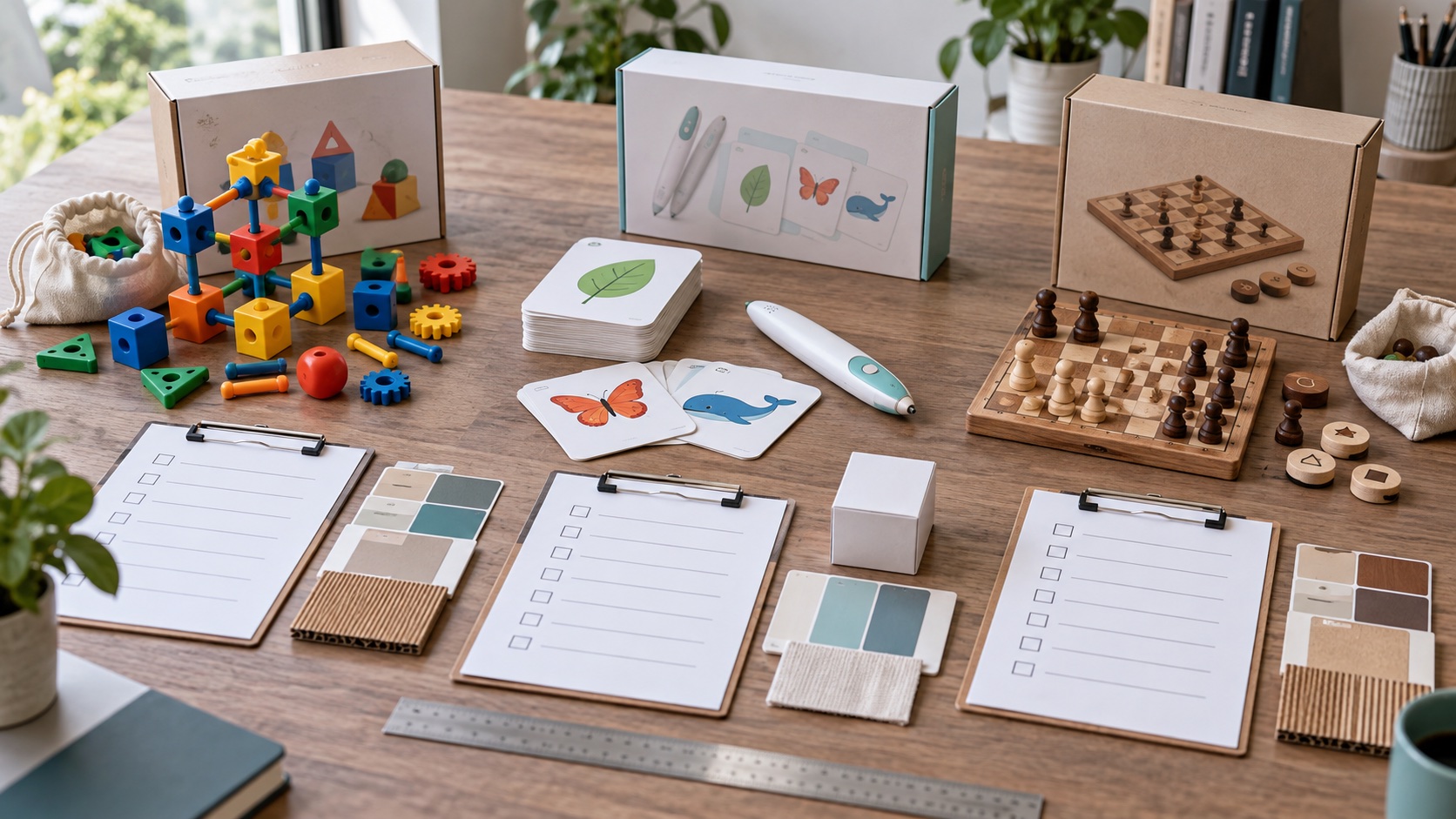
| Evaluation area | What to verify |
|---|---|
| Product fit | Does the company make or supply the learning format, age range and use case you need? |
| Customization | Can it change the brand, language, cards, audio, color, functions or packaging you have in mind? Which changes apply to the selected model? |
| Product samples and specifications | Can you review the actual sample, contents, operating instructions, packaging and revision details before approval? |
| Safety and market documentation | Do the available test reports and certificates match the specific product configuration and destination market? For U.S. toy projects, consult current CPSC toy-safety guidance [6] and confirm the requirements that apply to your product. |
| Order and delivery fit | What minimum order, production schedule, carton details and shipping assumptions apply to this model and customization scope? |
| Quality and inspection | What checks are performed, what records can be shared, and can the buyer or a third party inspect the order? |
| Communication and repeat orders | Who will handle the project, how are changes approved, and how will the approved sample and specifications be used for repeat orders? |
For safety and compliance, avoid treating a factory-wide statement as proof for every toy. Requirements vary by product and market. Ask for documentation that identifies the product or model and intended market, and have the responsible importer or qualified compliance partner confirm what is required. YSGO describes its quality and testing support by product and project scope. [7]
Prepare a Short Project Brief Before You Contact Suppliers
A concise brief helps a supplier answer the right questions. Include:
- Your buyer type and sales or teaching channel
- Target country or market and intended age group
- Product format and learning activity you want to support
- Whether you need an existing product, OEM production or ODM customization
- Language, content, branding and packaging requirements
- Expected order quantity or volume range, plus a likely reorder plan
- Testing, documentation, inspection or labeling requirements you already know
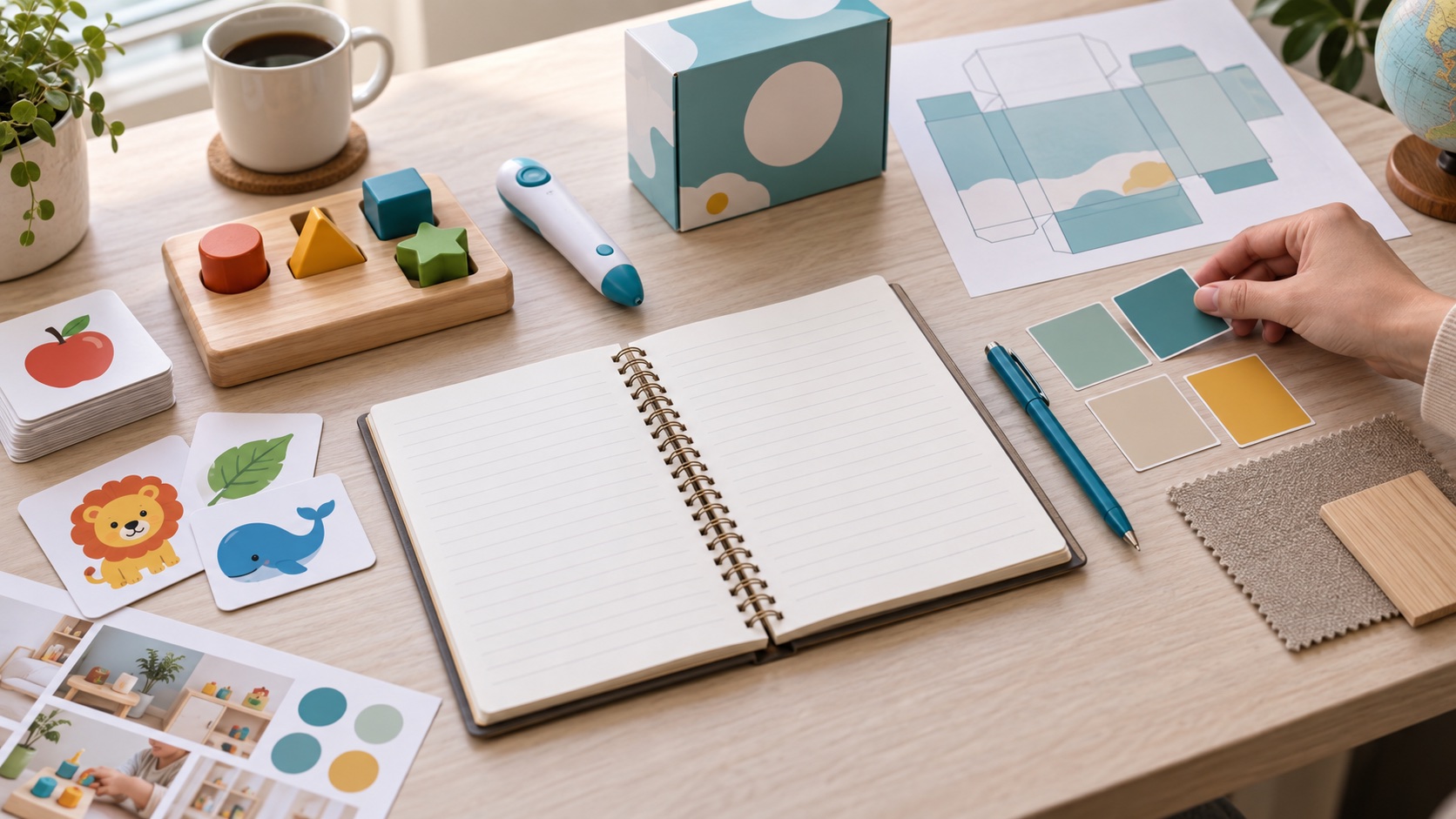
You do not need every engineering detail for an initial inquiry. State what is fixed, what is flexible and what you need the supplier to confirm. For an OEM/ODM request, it is also useful to ask which changes affect sampling, tooling, order quantities or lead time rather than assuming one standard answer applies to every model.
Common Mistakes When Choosing a Supplier
- Comparing different business models as if they were interchangeable. A branded product catalog, a classroom solution and an OEM factory answer different needs.
- Choosing by name recognition alone. A well-known company may not serve your territory, channel, customization scope or volume.
- Taking broad claims as project evidence. Verify the product sample, written specifications and applicable documentation for the exact version you plan to buy.
- Asking only for a unit price. Include packaging, content, testing, inspection, shipping assumptions and change requests in the comparison.
- Leaving approval details open. Keep the approved sample, artwork, functions and product version clear before production begins.
Frequently Asked Questions
What does “top educational toy company” mean for a B2B buyer?
It means the company whose products and business model fit your project. A retailer may value an established brand, a school may need teaching resources, and a brand owner may need OEM/ODM production and private-label customization.
Which type of company should I contact for a private-label educational toy?
Start with OEM/ODM manufacturers that can explain what is customizable on the model you are considering. Confirm branding, language and content, functions, packaging, sample approval, order quantities and market documentation in writing.
How can I check whether a toy supplier is suitable for my market?
Review a product sample and specifications, then request the testing and compliance documents relevant to that product and destination market. Requirements are product- and market-specific; confirm them with the responsible importer or a qualified compliance partner.
Are MOQ and lead time the same across educational toy manufacturers?
No. They can vary by product, order volume, customization, packaging and testing scope. Ask each supplier for a project-specific quotation and schedule based on the same brief.
Choose the Partner That Matches the Work
The most useful shortlist begins with your goal: stock established products, equip a learning program or develop a branded product line. Once you know which job needs to be done, compare candidates using product fit, customization scope, samples, applicable documentation, order terms, quality checks and communication.
If you are planning an interactive educational toy or STEM product line, share your target market, product direction, language, packaging and expected volume with YSGO. The team can discuss relevant product models and project-based OEM/ODM options.
Notes & Sources
- LeapFrog, “Learning toys for every age.” Official product overview. This first-party page presents LeapFrog learning toys by age and learning focus; it supports the product-range example, not an independent ranking or educational-effectiveness claim. Back to text.
- VTech, official product catalog. Official product site. The site lists infant and preschool categories and electronic learning products; it supports the product-range example, not a comparative evaluation of brands. Back to text.
- LEGO Education, teacher resources. Official teacher resources. The page lists classroom-oriented learning areas and routes educators to teacher portals and lessons; this is a company-provided description, not an independent assessment of learning outcomes. Back to text.
- Learning Resources, Playground Engineering & Design Building Set. Official product page. The page says the set includes an activity guide and reproducible worksheets; the evidence applies to this specific product, not every Learning Resources set. Back to text.
- LEGO Education, lesson plans. Official lesson library. This page provides lesson plans and classroom materials for LEGO Education solutions; availability and resources vary by product. Back to text.
- U.S. Consumer Product Safety Commission, Toy Safety Business Guidance. Official CPSC guidance. The guidance explains that ASTM F963 is a mandatory U.S. toy safety standard and that applicability depends on the product and relevant requirements. It is general guidance, not a product-specific compliance determination. Back to text.
- YSGO, Quality & Testing Support. YSGO quality page. This is a first-party description from YSGO of its quality and testing support. It does not independently verify a certification or establish that every product has the same reports. Back to text.


